Our favorite cartoon dog, Snoopy, has had quite the year so far. Between collaborations with innisfree and Levi’s, he’s been one busy pup and he doesn’t show any signs of slowing down yet. Soon, you’ll be able to fully celebrate the Year of the Dog with him by indulging in a stay at the first-ever Peanuts-themed hotel.
Located in Kobe, Japan, the hotel – which boasts the motto “It’s nice to have a home where guests feel comfortable” – is set to open on August 1 and will take over six whole floors. On the first there will be a Peanuts Cafe which serves light dishes and snacks and the third floor will house the Peanuts Diner, which takes on the theme of a West Coast diner and serves a range of American classics. The additional floors have differing themes, including “Imagine,” “Love” and “Happy” and are home to 18 themed guest rooms, each featuring it’s own unique design based on the beloved comic.
Reservations for the Peanuts Hotel open on July 9 and stays start at ¥30,000 JPY (approx. $273 USD) per person, which includes breakfast at the Peanuts Diner. Get a sneak peek at some of the adorable, themed elements below and head over to Peanuts Hotel’s official website for more information.
As our obsession with technology continues to increase day the day, building online connections are now the norm. Social media has become an integral part of our daily lives, birthing “influencer marketing” in light of many looking to mimic the unattainable lives of celebrities. Now, our behaviors and never-ending quest for authenticity have flipped the script as we look to follow those who have lifestyles that are more relatable to our own. Does that mean that influencer marketing is dead? Not quite — a new era has landed and it’s looking like it’s here to stay. Our exposure to digital personas begun early on through video games, but that has since graduated into avatars who have human-like characteristics, both physically and emotionally.
@lilmiquela
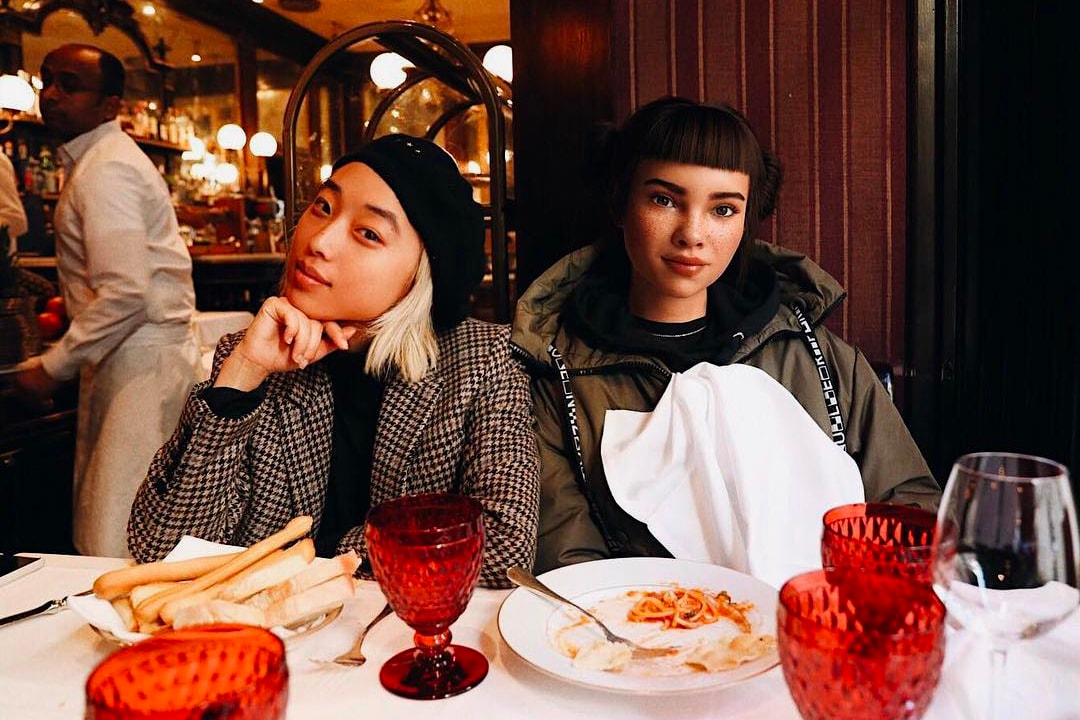
Virtual influencers are labeled as the start of a new chapter in influencer marketing, peaking the interest of major brands. Leading the pack is 20-year-old Miquela Sousa, created by Brud, an artificial intelligence startup. The Los Angeles-based Brazilian/Spanish model has garnered a following of over one million followers on Instagram as of May 2018, while rocking Chanel, Heron Preston and Supreme among other brands. Lil Miquela has been vocal about the Black Lives Matter movement and has even caught the eye of beauty guru Pat McGrath, who named Miquela as her muse. Like us, Miquela updates her followers on her everyday life, inserting relatable captions in her photos, meditating with crystals and attending rap shows — seamlessly ignoring her artificial persona.
Compared to human influencers, who are more susceptible to criticism and unpredictability, there lies an opportunity here for brands to develop virtual content in hopes of creating fondness.
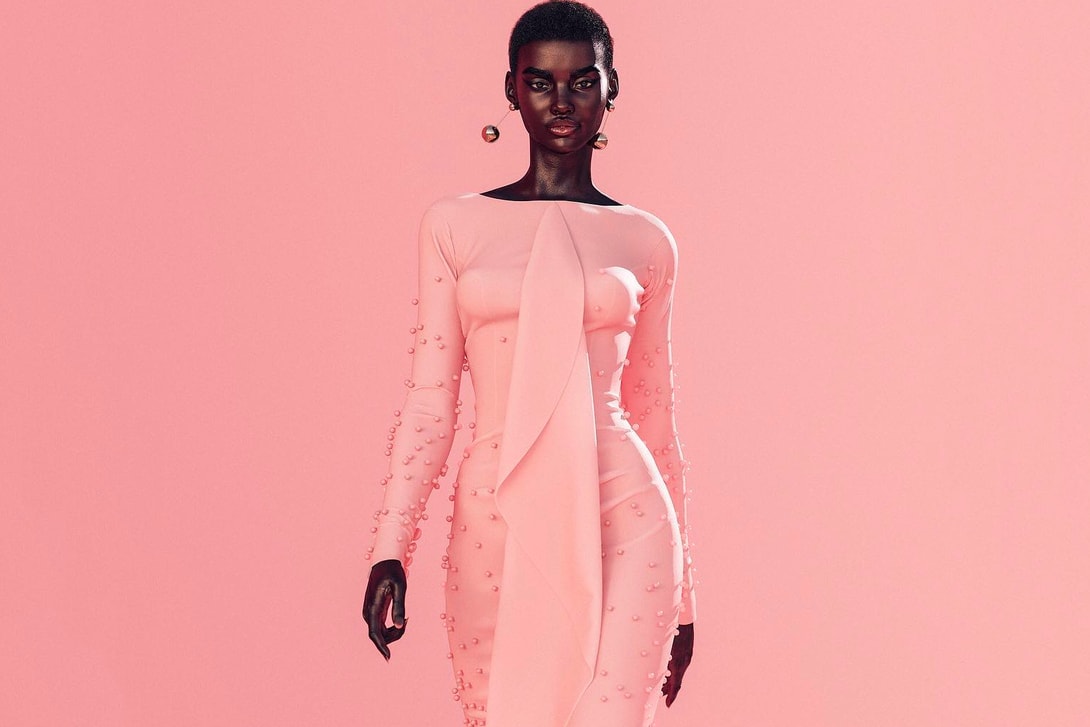
On the other hand, we have digital influencer-slash-supermodel Shudu, whose flawless complexion and frame mirror praised models like Alek Wek and Duckie Thot. Though she is stunning, the completely fake model generated a lot of backlash once her truth was discovered. A photographer by the name of Cameron-James Wilson is behind the “world’s first digital supermodel.” Many find this to be problematic since Shudu was created and “hired” by a white man who could have booked a real black model, a group that continues to be overlooked in the fashion industry — though some argue that any representation is good representation. Shudu’s “perfect” appearance has also caught the attention of companies like Fenty Beauty, which reposted one of her images. Like Lil Miquela, Shudu also interacts with her fans who have opened up to her about times they’ve been bullied for not feeling beautiful enough, according to Wilson.
@cjw.photo
Could the Shudu’s and the Lil Miquela’s of the digital world replace the real-life influencers we’ve all grown to love? From a brand’s perspective, virtual influencers could be positioned as a way to connect deeper with its consumer base. Brands could ultimately take advantage of the fake personas and have complete control of what the influencer represents. So far, Lil Miquela and Shudu have been widely accepted by the Instagram community. Compared to human influencers, who are more susceptible to criticism and unpredictability, there lies an opportunity here for brands to develop virtual content in hopes of creating fondness.
For many, social media has become a highlight reel; highly curated profiles showing your best angles, vacation scenes and at times, edited thoughts.
While this may be true, it seems unlikely that CGI creations could replace in-real-life influencers. Think about how time consuming it must be to create an image of someone as life-like as Shudu. Also, take into account the clothing given by brands and how that needs to be transformed into 3D. Considering that the persona is technically fake, it opens up the opportunity for brands to market products in a much more shallow manner compared to tapping a real person.
One question remains: are we to blame for the creation of virtual influencers? Part of me can’t help but say yes because of how obsessed we’ve become with appearing to be perfect. If you really think about it, we’ve created digital versions of ourselves on social media. For many, social media has become a highlight reel; highly curated profiles showing your best angles, vacation scenes and at times, edited thoughts. The use of apps like Facetune has grown exponentially, ultimately blurring what is real from what is fake. Would the rise of virtual influencers make a difference in how brands and consumers engage with one another if we’re already falling for manipulated imagery?
On this Mother’s Day André 3000 decides to release two brand new songs. The first one is called Me & My (To Bury Your Parents) and the second one is called Look Ma No Hands.
The high-top shoe made especially for the spring season is set to arrive in two distinct colorways. One pair sports Beige, Champagne, and Vintage White tones. The other pair is adorned in Black, Neon Purple, and Deep Baltic hues. Both retro-athletic pairs are outfitted with luxe Nappa leather, nubuck, suede, and durable ballistic nylon textiles. For added comfortability, the shoe features an EcoOrthololite sockliner alongside non-marking rubber outsoles for improved traction.
View both styles above and purchase a pair for approximately $250 USD each on Tretorn’s webshop.
Childish Gambino is back with the release of his brand new visual called This is America produced by Doomsday with Ibra Ake and Fam Rothstein of Wolf & Rothstein and directed by Hiro Murai.
Nicki Minaj is back and decides to drop two brand new visuals. The first one is Barbie Tingz produced by J. Reid and directed by Giovanni Bianco & Nicki Minaj, and last the second is Chun-Li produced by Nicki Minaj & J. Reid and also directed by Steven Klein.