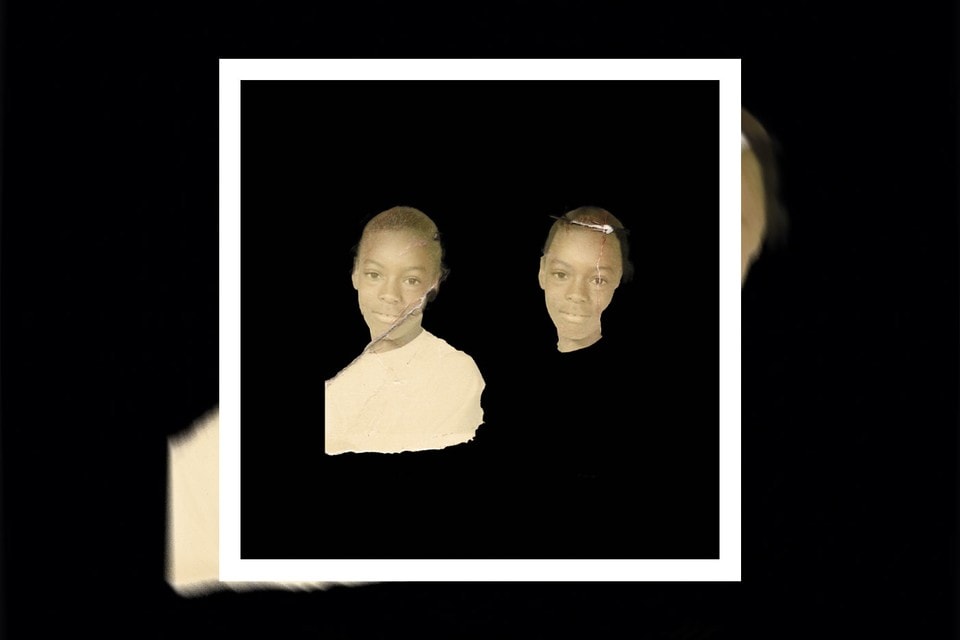
Stars arrived at the Microsoft Theater in Los Angelesfor the 2022BET Awardscelebrating Black artists in film, television, music and more. Celebrities hit thered carpetin their best outfits accompanied bystunning glamahead of the show hosted byTaraji P. Henson.
Some of the best-dressed stars of the night include Lizzo, who appeared in a glamorous Guccigown with fur trims. Meanwhile, Summer Walker made her first public appearance since announcing her pregnancy, embracing motherhood with her look by Laurel Street.
Coi Leray went for a ’00s-inspired ensemble featuring all things denim, completing her outfit with an extra-cropped white top. Janelle Monáe arrived in a sheer dress while Chlöe Bailey stunned in a sequin gown. Further standouts at the awards show include Billy Porter, Victoria Monet and Marsai Martin, who won the Youngstars Award.
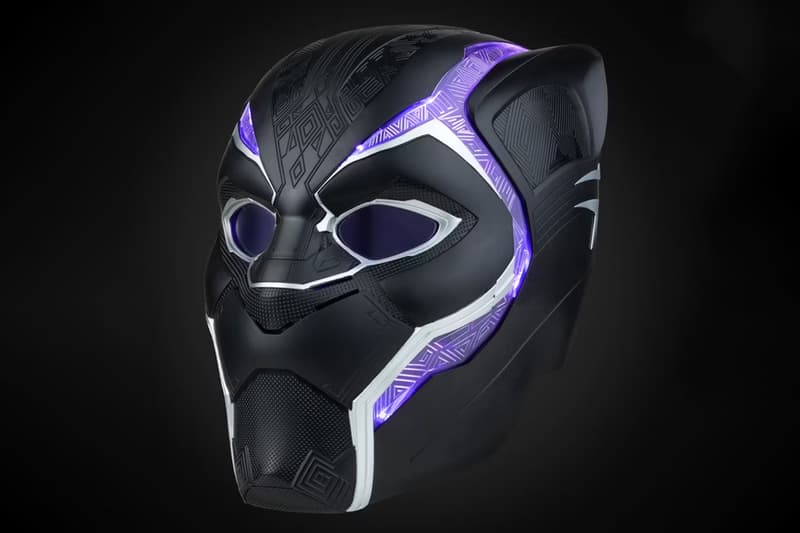
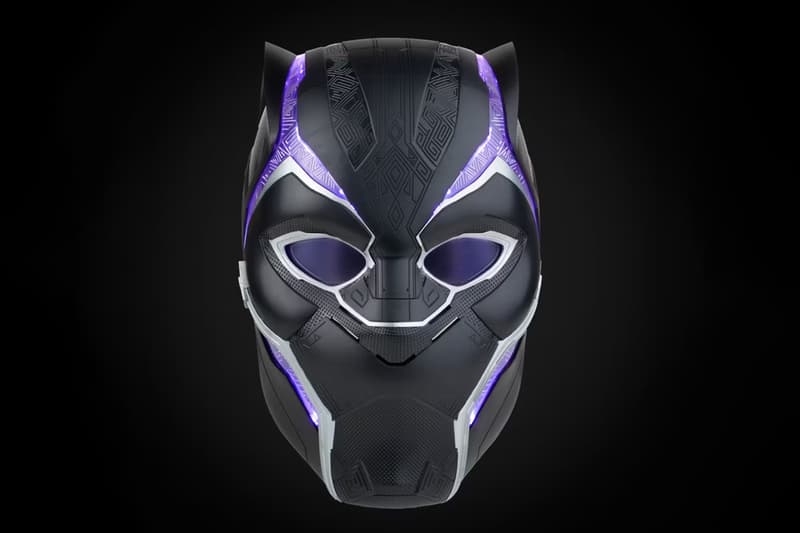
The November release ofBlack Panther: Wakanda Foreveris still some time away, butHasbrois already beginning to help you plan out your cosplay for the premiere with its latest unveiling of the new Black Panther electronic helmet under its Legends Series. Designed as a 1:1 scale replica you can wear, the new helmet design carries detailed Wakandan markings that complement its purple light-up streaks running all the way from the top of the mask to the bottom.
It also features lenses that automatically flip up and down, and both features are easily accessible through the touch of a button. With a release date scheduled for this fall, it’ll arrive just in time to complete your vibranium suit as you head to the movies for Wakanda Forever.
If you’re interested in grabbing one yourself, pre-orders for the new helmet will be open today and cost $132 USD over on Hasbro Pulse’s website.For CinemaCon 2022, Disney offered a number of exciting updates and looks including the official title of the upcoming Avatar sequel — Avatar: The Way of Water, the opening 20 minutes of Doctor Strange in the Multiverse of Madness, and the first footage from Black Panther: Wakanda Forever. Following the record-breaking debut of Black Panther in 2018, Marvel Studios immediately worked with director Ryan Coogler to begin developing the sequel.
Met with the tragic passing of the original Black Panther, Chadwick Boseman, after his private four-year battle with colon cancer, the team took the necessary time needed to craft the film in a way that would honor Boseman’s legacy.
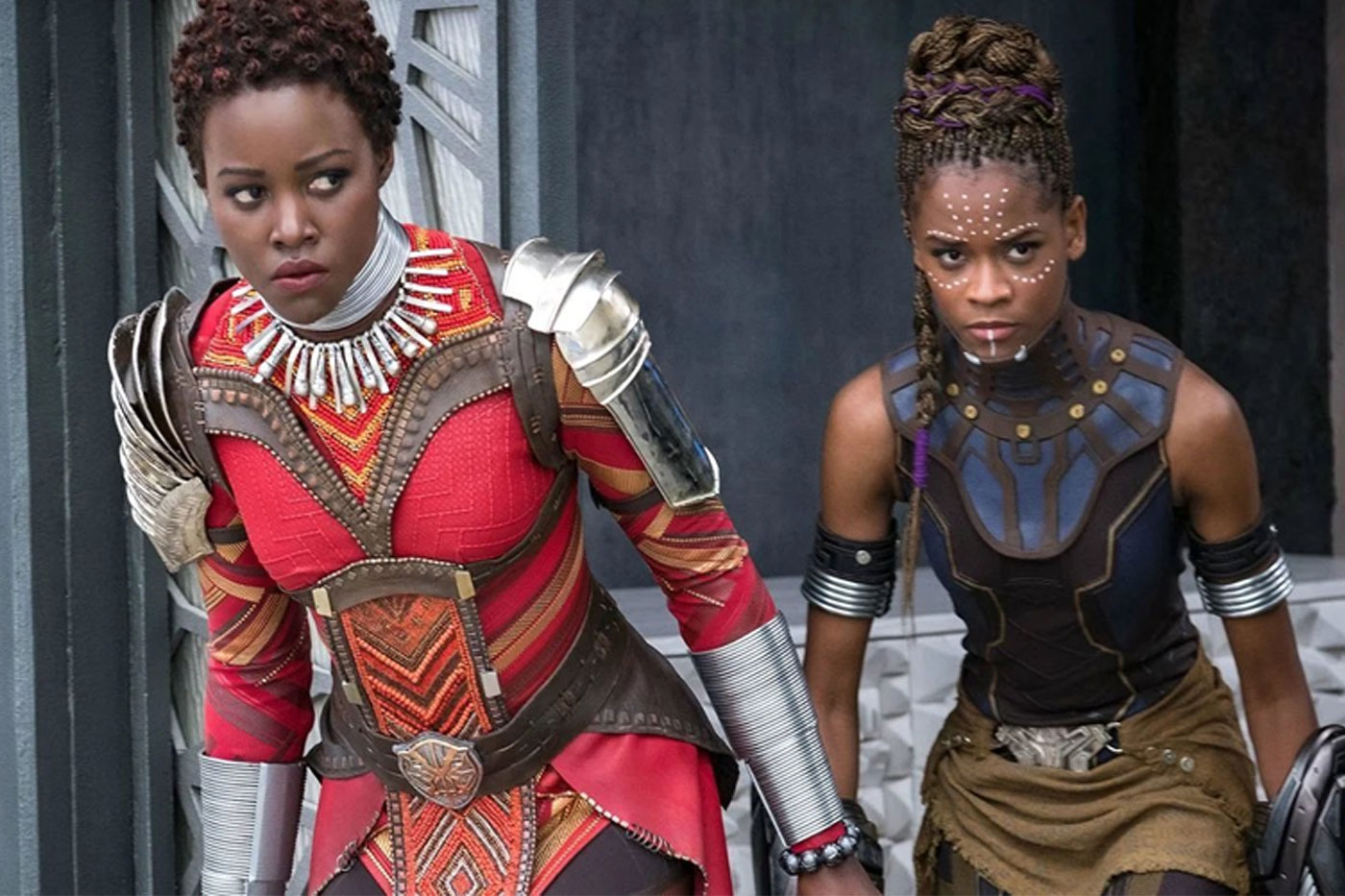
While the exclusive footage shown during CinemaCon has yet to be released to the public, descriptions reveal that Letitia Wright‘s Shuri, Lupita Nyong’o‘s Nakia, and Danai Gurira‘s Okoye will step in as the main characters in the sequel, leading Wakanda’s army in T’Challa’s absence. Fans are also widely speculating that Shuri will be Wakanda’s new ruler and the next person to wear the Black Panther suit, though that rumor has yet to be confirmed.
Black Panther: Wakanda Forever premieres on November 11, with the first trailer expected to release in the coming weeks.Early last year, New York-based artist Yoon Hyup reinterpreted one of his signature dot paintings in the form of a three-dimensional character called Juggler. The figure was released in two vibrant configurations that were each limited to an edition of 125. For those of who you missed out on the chance to purchase, Hyup will bring back Juggler in a new white-and-black iteration.
Releasing exclusively through AISHONANZUKA gallery, the latest round of Jugglercharacters feature a pared back monochromatic color palette. “Someday, I started to find some faces in my paintings (random creatures). This new character’s name is ‘Juggler,’ which is created based on the faces that are hidden in my paintings,” the artist described in a past statement. Emblematic of his work, Hyup creates large stipple-like paintings that often depict various cities the artist has traveled to, along with imagined landscapes.
Similar to the first drop, the white-and-black Juggler figures possess the same dimensions (198 millimeters tall), are limited to an edition of 125 and arrive in a custom box with a price tag of $500 USD. However, in order to purchase, all customers must enter through a lottery system starting on July 1 at 11pm ET until July 3 at 11:59am ET. Winners will be announced by email after July 5.
To enter, email shop@aishonanzuka.com with the subtitle “Application for Juggler (White/Black)” and provide your name, phone number, email and shipping address.
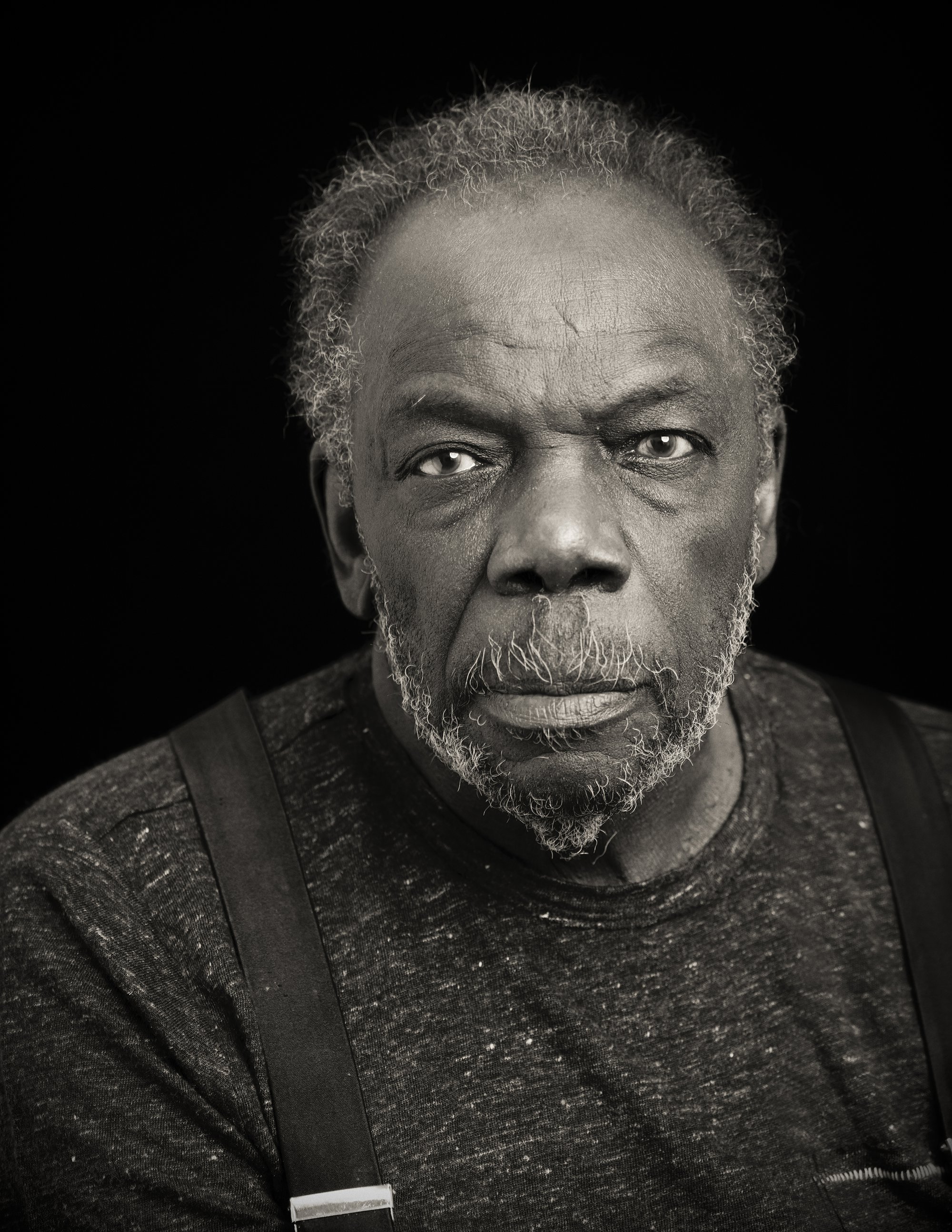
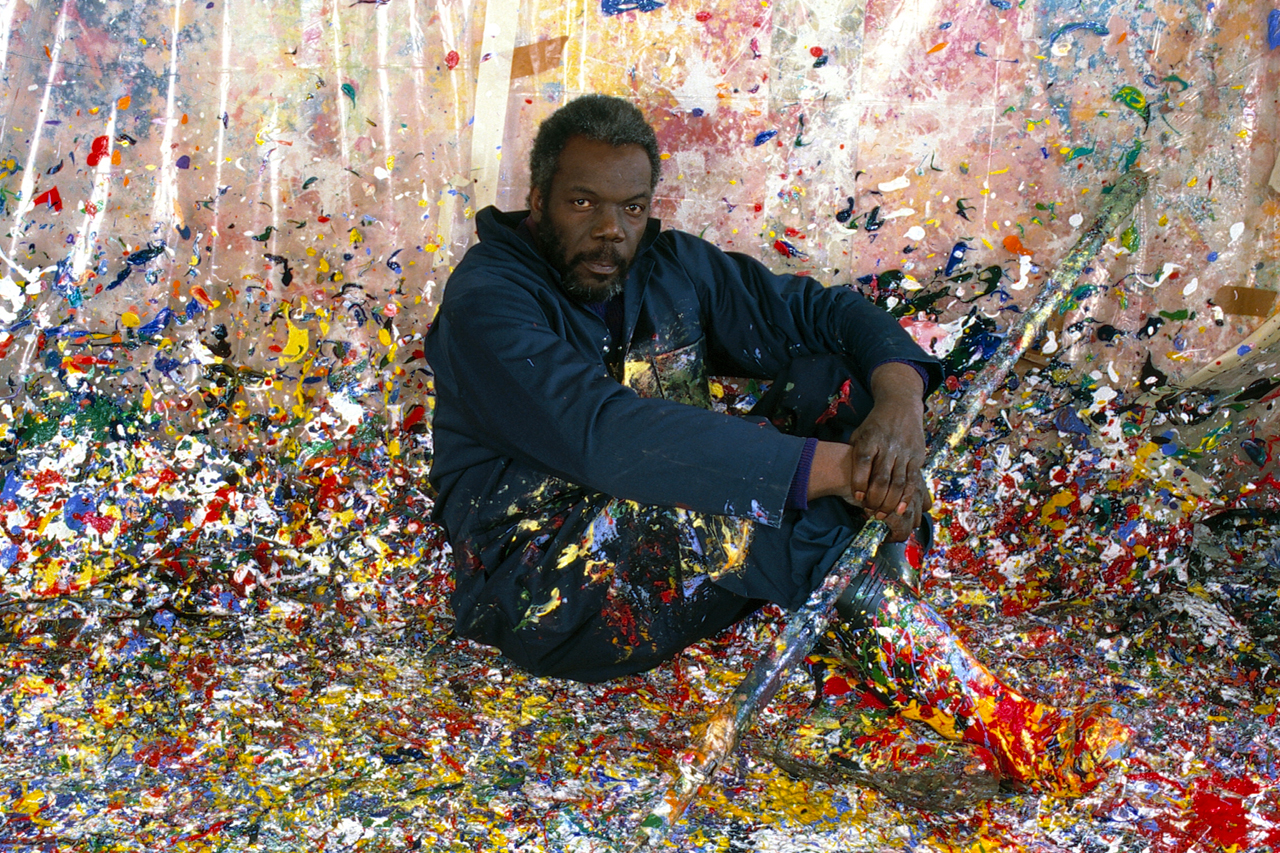
David Kordansky Gallery and Pace are saddened to announce that artist Sam Gilliam passed away on Saturday, June 25 at age 88.
Throughout his seven-decade career, Gilliam reinvented and continuously reshaped abstract painting and sculpture. Using rich constellations of forms, textures, and materials to forge his inventive compositions, his work has exerted a profound influence on generations of subsequent artists.
“Sam Gilliam was one of the giants of Modernism. He was a great friend and great artist who was able to convey the shared torments and triumphs of life through the universal language of abstraction. Sam was very much acclaimed in the 60s and 70s for his revolutionary work that freed the canvas from its support.
The production of Sam’s work never wavered. He painted right up until the end of his life and his most recent works are among his best. I’m proud that his late paintings have received great recognition and I take pleasure knowing that Pace, along with David Kordansky Gallery, brought his radiant work to a greater audience than it had ever known.”
—Arne Glimcher
"I am deeply honored and blessed to have known Sam Gilliam through the last decade of his journey. To serve his vision has been a life-defining privilege. It has been about more than work or even passion—it is a form of devotion to principles that represent what is good, abiding, and true. Sam changed the course of my life, like he inspired the lives of many others, as a generous teacher, mischievous friend, and sage mentor. Above all, Sam embodied a vital spirit of freedom achieved with fearlessness, ferocity, sensitivity, and poetry.
My heart goes out to his wife and partner, Annie; his children, Stephanie, Melissa, and Leah Franklin; Sam’s family; Jenn, Joseph, and the greater Gilliam studio; and all those touched by Sam’s boundless soul."—David Kordansky
Born in Tupelo, Mississippi in 1933, Gilliam was one of the leading figures associated with the Washington Color School—a movement initiated in Washington, D.C. in the 1950s that emphasized large fields of color as a response to the Abstract Expressionist works that emerged from the New York School. He quickly distinguished himself from his peers with the creation of his signature Beveled-edge and Drape paintings in the mid- to late 1960s. During these formative years, Gilliam produced the Beveled-edge paintings by folding unstretched canvas before staining it with acrylic paint to create dimensional, lyrical abstractions, which were then stretched across beveled frames.
His most radical move came next: he freed the canvas from the stretcher and brought his painterly compositions out into space, using unstretched canvas to create his celebrated Drapes. These groundbreaking works, which the artist began producing in the late 1960s, changed the history of art. By suspending his stained canvases from ceilings and walls, Gilliam transformed the medium of painting and its relationship to the spatial and architectural context in which it is viewed. Moving beyond an aesthetic proposition, Gilliam’s work also forged new possibilities for defining art’s role in a society undergoing dramatic social change. After earning international recognition for these innovations, Gilliam represented the United States at the Venice Biennale in 1972 as part of a group presentation organized by Walter Hopps.
“The year 1968 was one of revelation and determination,” the artist once said. “Something was in the air, and it was in that spirit that I did the Drape paintings.”
Building upon his work of the 1960s, Gilliam continued to push the boundaries of his practice in the decades that followed, employing new techniques that challenged the traditional understanding of what constitutes the medium of painting. In the 1980s, he developed his Quilt paintings—works comprising multiple layers of thick acrylic paint on canvas that are cut into geometric shapes and rearranged into abstract patterns. Gilliam’s recent works include large-scale paintings on paper and wood, as well as numerous major site-specific public commissions, including Yet Do I Marvel—a commission for the lobby of the National Museum of African American History and Culture that opened in his hometown of Washington, D.C. in 2016—and Yves Klein Blue, a large-scale nylon Drape painting presented at the Giardini’s main pavilion at the Venice Biennale in 2017.
Gilliam joined David Kordansky Gallery in 2012, which has shown four solo exhibitions with the artist over the past decade. Most recently, the gallery presented Moving West Again in 2021, which was accompanied by a publication featuring an essay by the jazz pianist, composer, and artist Jason Moran. Since joining Pace in 2019, the artist has been the subject of solo exhibitions at the gallery’s New York, Seoul, Hong Kong, Geneva, and Palm Beach locations. In 2020, Pace Publishing released the book Existed Existing, featuring texts by Courtney J. Martin, Fred Moten, and Hans Ulrich Obrist.
Gilliam’s work can be found in major museum collections around the world. In 2021, the Dia Art Foundation and the Museum of Fine Arts, Houston jointly acquired his early Drape painting Double Merge (1968). Gilliam is also represented in the collections of the Metropolitan Museum of Art, New York; the Studio Museum in Harlem, New York; the Museum of Modern Art, New York; the National Gallery of Art, Washington, D.C.; the Baltimore Museum of Art; the Art Institute of Chicago; the Menil Collection, Houston; Tate Modern, London; the Louisiana Museum of Modern Art, Denmark; the Musée d’Art Moderne de la Ville de Paris; and many more institutions.
Sam Gilliam: Full Circle is on view at the Hirshhorn Museum and Sculpture Garden in Washington, D.C. through September 11, 2022. His work Double Merge remains on public view at Dia Beacon.
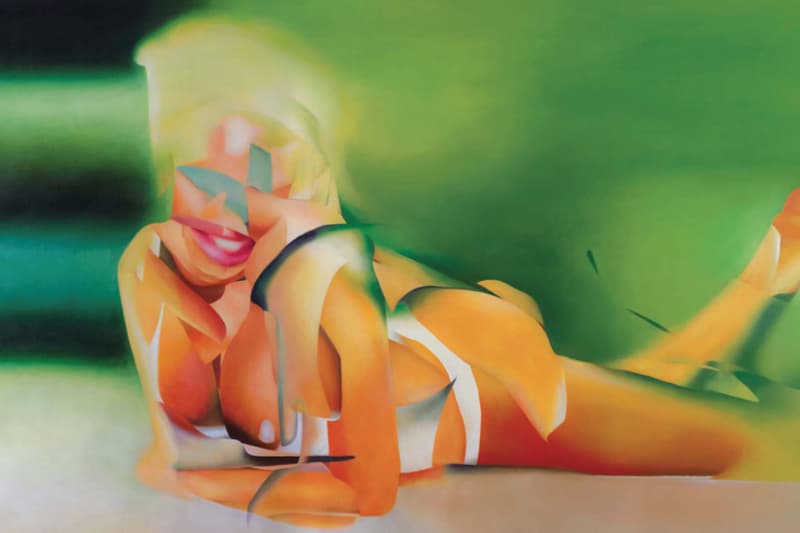
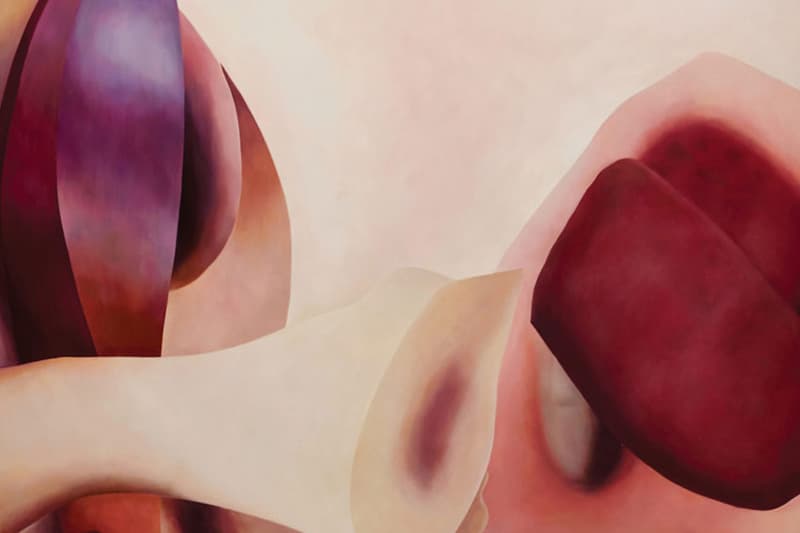
Growing up in Switzerland, artist Angela Santana found herself inspired by the vast landscapes of the country and the constant stream of art and culture. After studying art and art history for multiple years and experiencing the different creative languages of Paris and London, Santana moved to New York to focus on her craft. Drawing inspiration from the female form and its many different perceptions, the artist seeks to challenge the way we see the body for the better. “I learned to paint the image of the female form from an early age not in the image I imagined to be my own, but in the image of others before me,” Santana told Hypebae.
Keep scrolling to read our interview with Angela Santana, following her latest exhibition series at Saatchi Yates.
Tell us a bit about how you got started in the industry. After the preliminary year at the renowned F&F art school and another four years of graphic design, including Art and Art History, I received my diploma and degree at Medien Form Farbe School in Zurich. I’ve always been experimenting with the combination of different techniques, manual and digital, with the goal to achieve my own distinct visual and artistic language.
How has growing up in Switzerland influenced the art you create? Switzerland is an incredible place for inspiration. Be it the vast and versatile nature & landscapes, the location at the heart of Europe, the museums, art and of course the people. It is also the birthplace of Dadaism, a movement that I still draw inspiration from. Then there’s so many amazing artists that have shaped art history, for example Meret Oppenheim, or more contemporary artists that I admire like Miriam Cahn and Urs Fischer. I intuitively always knew that I wanted to gain experience abroad. Living abroad, working in different languages and soaking up the energy in metropoles like Paris and London before moving to New York further influenced my body of work.
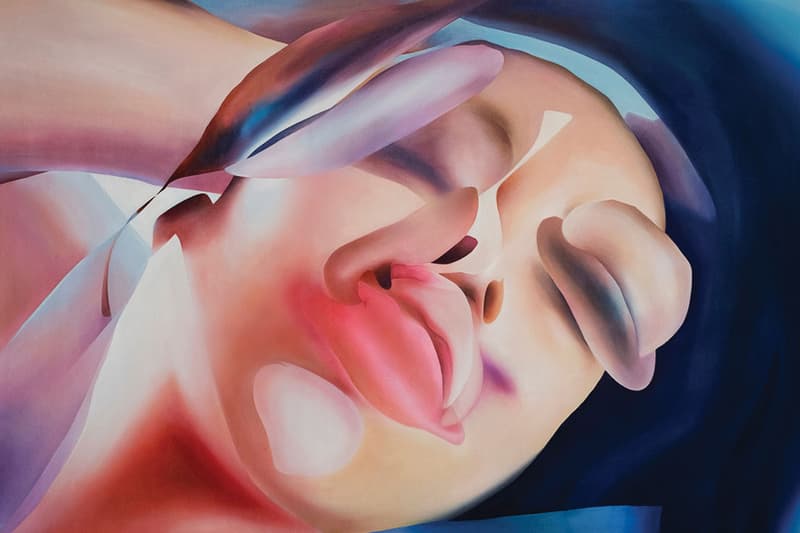
You’ve said previously that your goal is to reverse the objectification of women as much as possible, how do you intend to do that through your work? The female form and what it represents in art, culture and society has been shaped by those who depict its narrative, who paint its form. I learned to paint the image of the female form from an early age, not in the image I imagined to be my own, but in the image of others before me. I realized the whole world consumed an objectified and distorted view of the female form over centuries and centuries. What if I distorted the distorted and gave it new meaning, created a new narrative? Turned the object into a new subject? What if my hand was untrained and not willed by what it had learned, but rather was an extension to a digital tool, a digital paint brush minus the precise control of my hand, or of my own self? The idea was to erase the memory of the past and create a new celebrated image from it.
What can you tell us about your creative process, where do you start? It takes hundreds of digitally painted layers to arrive at a final composition. My work is sparked by the mass of illicit imagery online. The first and most time consuming part of my process is digitally painting in hundreds of layers. I keep shifting and turning these painted parts until something new and interesting emerges, before then painting this composition in oil on canvas. I believe there is a sense of movement that is captured somehow and makes its way into the finished oil painting: Everything is in motion and floating, everything is possible. There are parallels to the Dadaist writers and their Découpé technique, an aleatory literary approach in which a written text is cut up and rearranged to create a new text and meaning. Gysin and Burroughs also applied this technique to printed media in an effort to decode the material’s implicit content, discovering the true meaning. I cite: “When you cut into the present, the future leaks out.” I use this approach to expand possibilities and juxtapositions and collaborate in a synergy with the computer and chance as if it would be my orchestra.
Why is the digital aspect important to you? It allows me to be free. Whether this means free from bias, from preconceived expectations around the female form, or in composition, there’s an untamed energy and a freedom that can be felt in my figures. Or even in the sense that it is freeing in my artistic practice and approach, I never feel there’s a blank canvas. Everything is possible, beyond my imagination, because I believe even our imagination might be too influenced by all the images we’ve seen.
The new project brings together 14 of your large-scale works, what’s different about this project for you? The series at Saatchi Yates came together over the last seven years. It feels a bit like a retrospective. I embrace the fact that not everything needs to be immediate. I allowed myself to reflect on my work and grow it over a long period of time. It’s a very conscious decision in this fast paced world we’re in. In this ongoing series, I found my own balance.
What do you hope that people will take away from it? I hope my dedication and awe to the female body is apparent in a very joyful and powerful way. My figures don’t have to please and I hope they can grow on the viewer whilst also retaining a certain air of flux and enigma.
Finally, what’s next for you? I’m continuing to deepen my practice, working on new paintings and developing triptychs. And, I will expand my techniques in combination of the digital and the manual in a new and unexpected way.
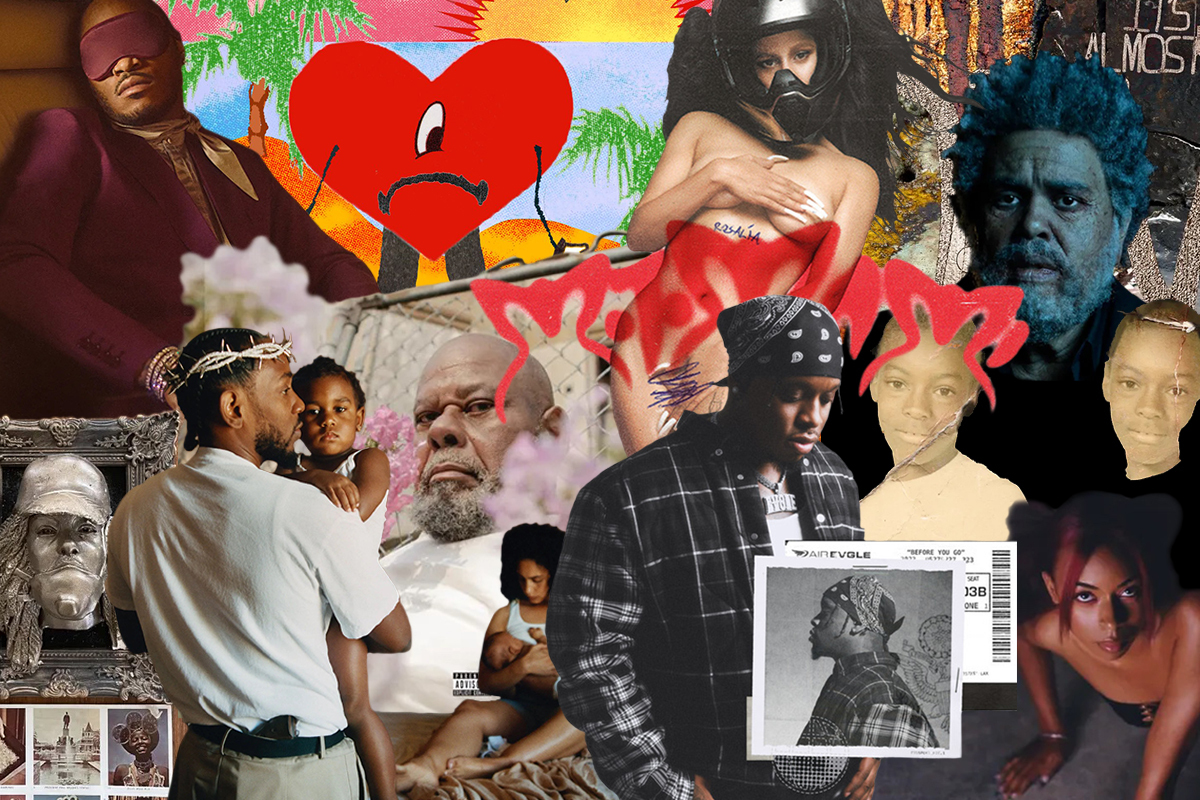
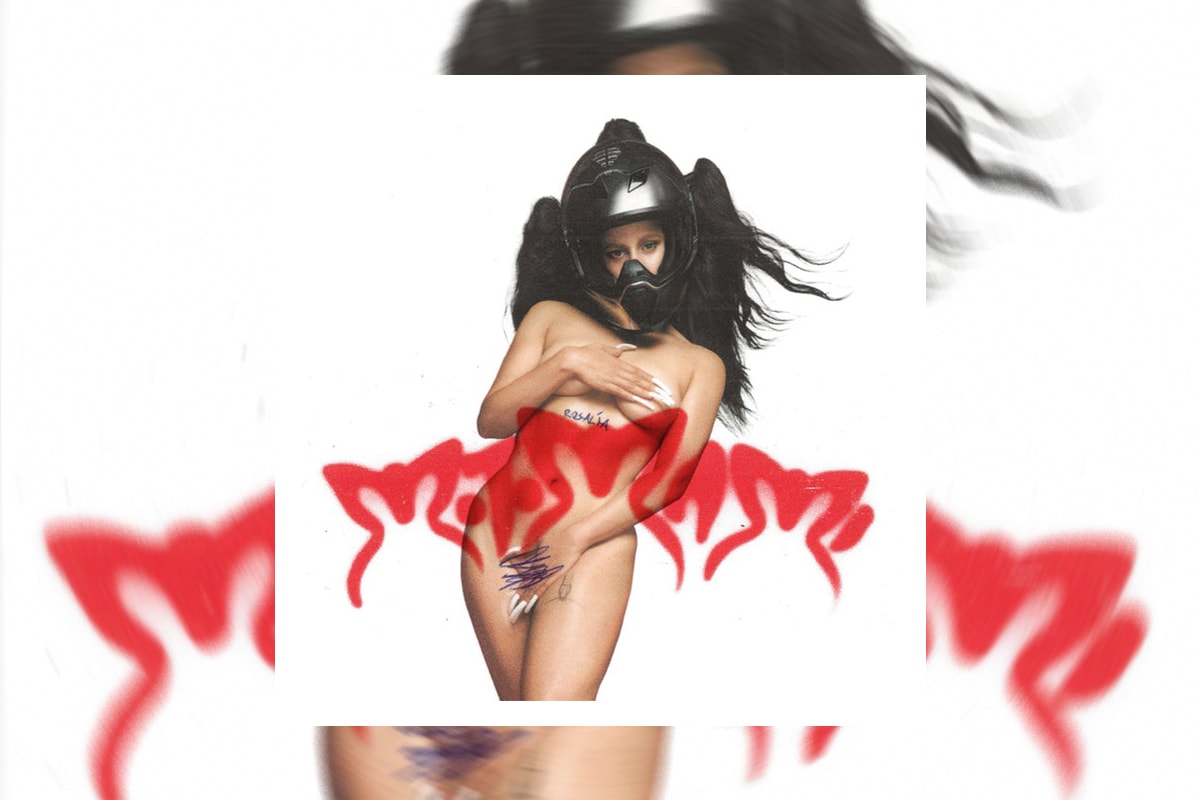
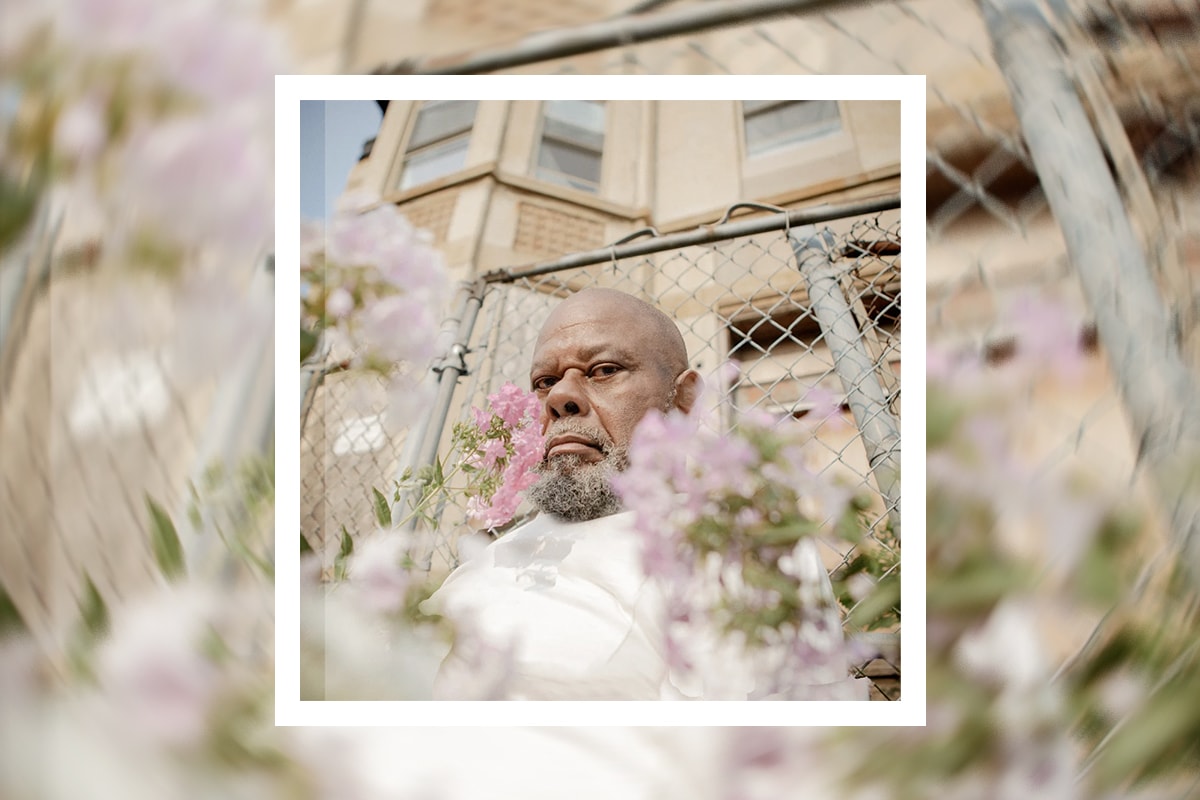
The first half of 2022 proved to be an exciting one for the music industry. In addition the past six to 12 months of short tours and music festivals, fans were treated to album releases from artists who have largely remained under the radar for almost half a decade — Pusha T’s It’s Almost Dry, Kendrick Lamar’s Mr. Morale & the Big Steppers, Saba’s Few Good Things, Earl Sweatshirt’s SICK! and Rosalía’s MOTOMAMI all dropped in a span of six months.
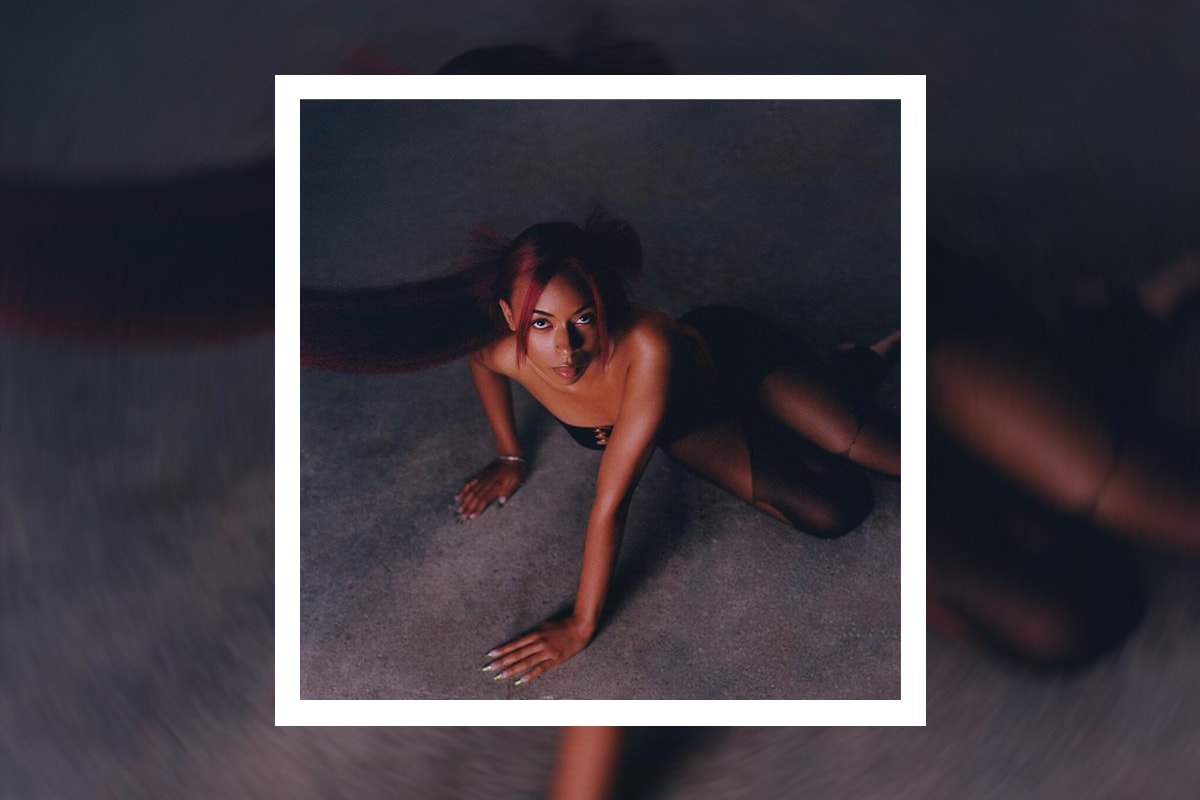
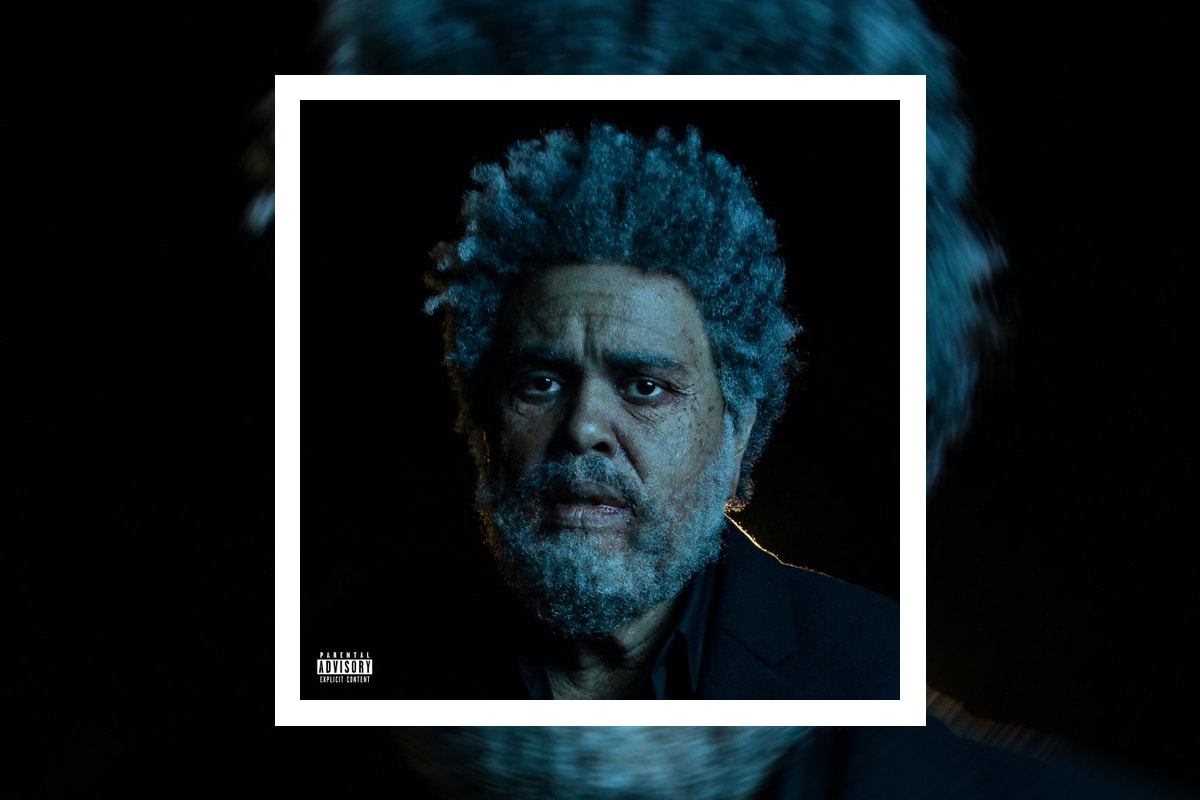
We also had the pleasure of hearing full-length efforts from Bad Bunny with Un Verano Sin Ti, Future with I NEVER LIKED YOU and The Weeknd with Dawn FM, a quick turnaround from Vince Staples who released RAMONA PARK BROKE MY HEART less than a year before its predecessor and debut albums from Blxst and Ravyn Lenae, who have already impressed audiences with Before You Go and HYPNOS.
It’s worth noting that although the likes of Drake’s HONESTLY, NEVERMIND, GIVĒON’s Give or Take and Logic’s Vinyl Days were also released before July, HYPEBEAST decided that more time is required to give these albums a good and focused listen.
If anything, the first six months of the year reminds listeners that there will always be an abundance of good music, and that if we are patient enough, there’s always a chance for the greats to reappear with refreshing material. Without further ado, HYPEBEAST presents the Best Music Projects of 2022… So Far.
Bad Bunny - Un Verano Sin Ti
Rimas Music
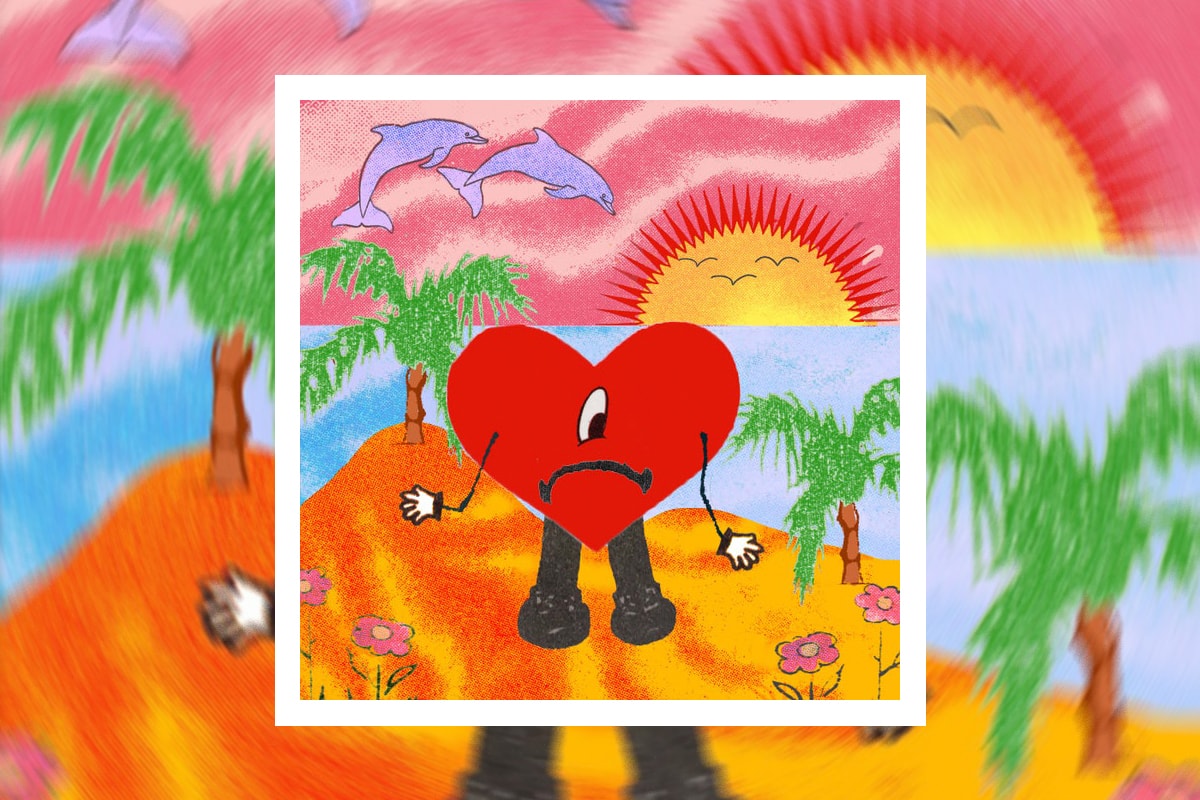
In between creating music, winning the WWE 24/7 Championship and a tag team match at WrestleMania 37 and inking deals with Marvel as the first Latin superhero with a solo film, Bad Bunny seems to know how to do it all without letting quality slide. The reggaeton star’s Un Verano Sin Ti sends listeners on a fun, cultural trip to his native of Puerto Rico, but without failing to remind them of struggles and hardships that are constantly overlooked by the general public. With standout cuts like “El Aapagón” — a direct statement about the ongoing political issues on the Carribean island — Bad Bunny ensures that the music he creates will still hold meaning and influence listeners for the greater good, all the while sonically moving them on the dancefloor.
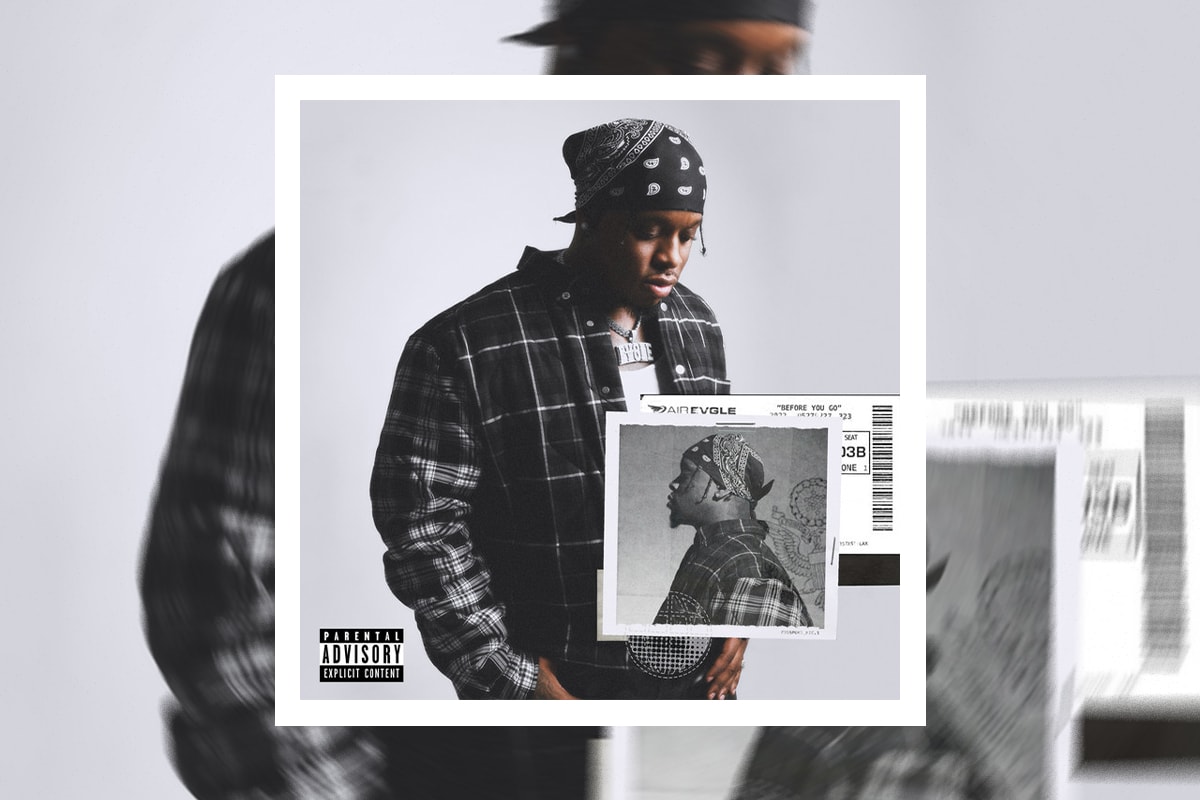
When asked about Before You Go in a recent interview, Blxst cited a transitional change as his inspiration. Stepping into higher levels as an artist and CEO, the South Central LA rapper-crooner’s journey picks up right where his previous record No Love Lost left off. With a matured outlook on love, gratitude, and success, he is as fastidious as he is versatile by spinning new takes on melodic rapping and old-school R&B. Before You Go has a story to tell and armed with features from Rick Ross, Zacari, Arin Ray, and Grandmaster Vic, Blxst remains steadfast and committed to his creative integrity and sound.
Earl Sweatshirt enters, accepts and understands the chaos in SICK!, a 10-track offering exploring themes of isolation and loneliness — a different kind of illness. Throughout the 24 minutes, it’s evident that the Odd Future stalwart was meticulous in the album’s creation; each bar, cadence, the guest verses of Zelooperz and Armand Hammer and production of The Alchemist, Black Noi$e, Ancestor, Theravada, Rob Chamber, Samiyam and Alexander Spit were placed in their perfect positions, making for a well-rounded project that takes a much deeper dive into what many were facing during the height of the pandemic.
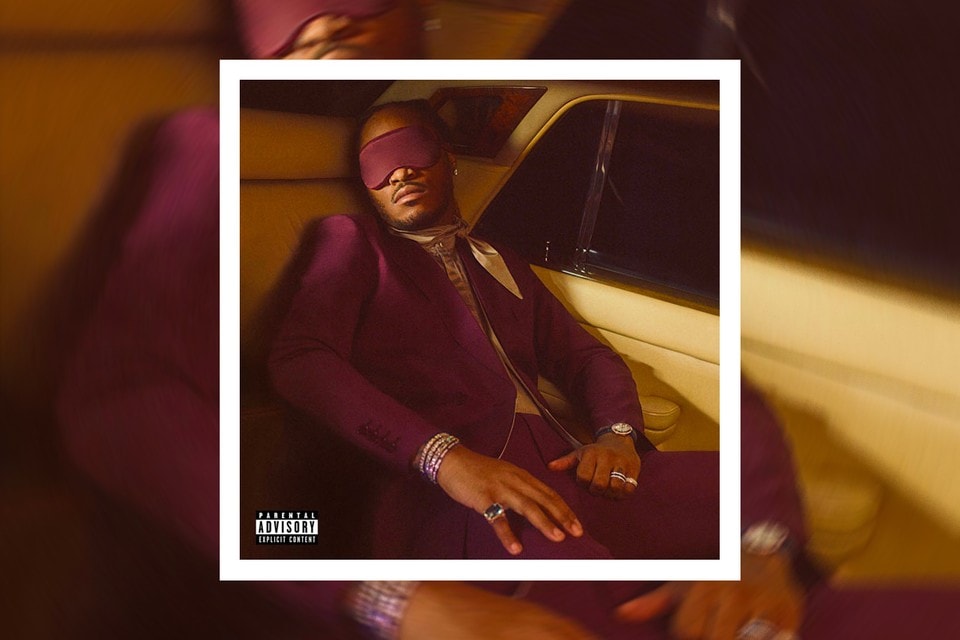
Despite being known as a pioneer of trap, Future is an artist that never fails to grow with each project, and his ninth studio album I NEVER LIKED YOU only proves it to be true. Spending a decade in the business has only allowed the artist to further hone his skill as a trailblazer and an icon, but he ensures he never gets left behind or outshined by the myriad of talented rappers popping up from every corner of the industry. I NEVER LIKED YOU places Future in both a zone he’s familiar with and one where he flourishes, and with the support of Drake, Tems, Ye, Gunna, Young Thug, EST Gee and Kodak Black, there’s no reason to doubt his continuous progress.
Aftermath Entertainment/Umg/Interscope Records/Top Dawg Entertainment
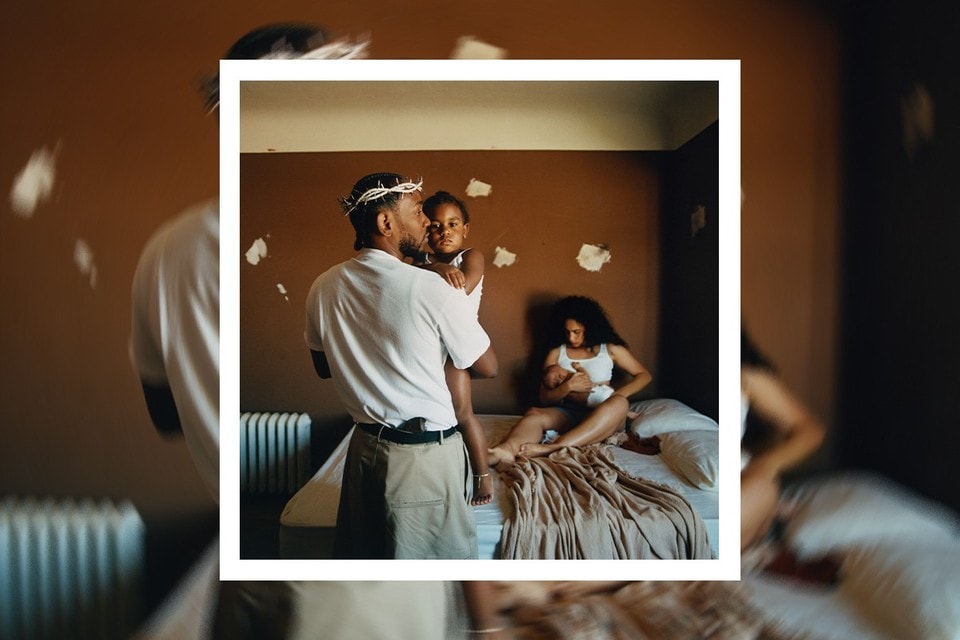
Kendrick Lamar is elusive and contemplative at best. Having shrouded himself from the limelight over the past five years, the Compton icon returned with his most salient of reflections in Mr. Morale & the Big Steppers. The 19-track, 3-disc effort sees K-Dot wrestle with self-discovery, collective trauma, accountability, family ties, and many more layers of vulnerability. Soul-baring confessions and emotional depths come hand in hand with his distinct deliveries, star-studded guest features, and masterful production. As revered as the hip-hop legend is, Kendrick’s latest full-length effort is a humbling reminder that one will always have inner work to do.
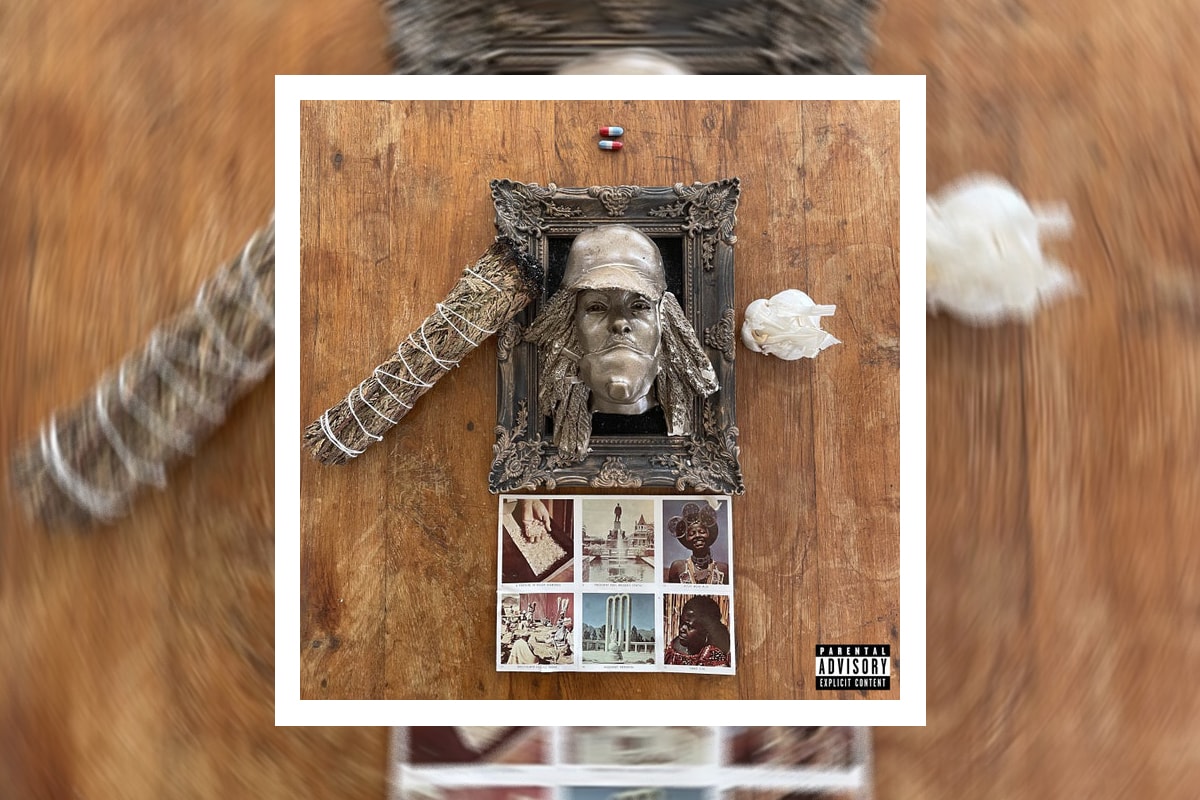
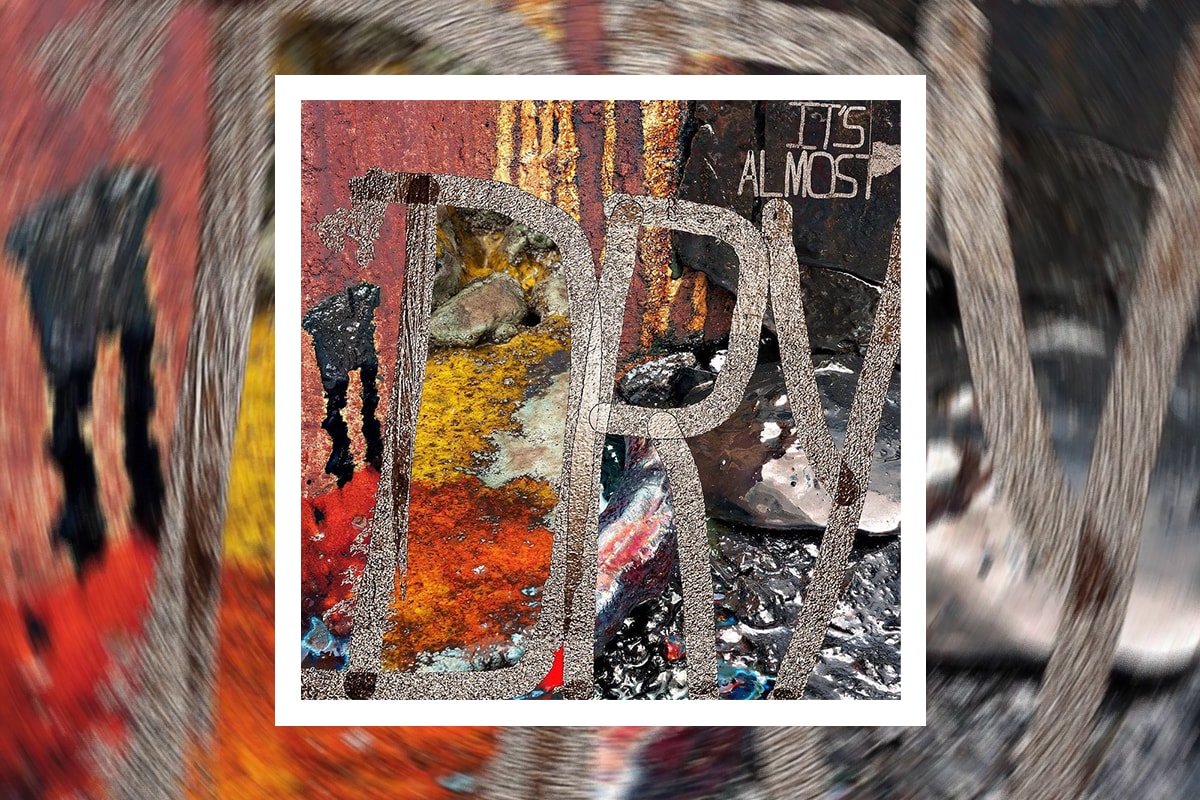
Pusha T’s It’s Almost Dry was undeniably one of 2022’s most anticipated albums and it definitely didn’t disappoint. The industry-proclaimed “King of Coke Rappers” made his triumphant return after four long years, maintaining the same hunger that earned 2018’s DAYTONA a GRAMMY nod for Best Rap Album but with a more powerful and cut-throat vigor. He further cements his image as both a man and a rapper not to be messed with — as heard on the standout cut “Call My Bluff” — but his ever-evolving skills matched with production from Pharrell and the artist formerly known as Kanye West places him above what is expected of the modern-day rapper. King Push is a menace in every exciting sense of the word, with It’s Almost Dry making a very strong case for Album of the Year.
Rayvn Lenae’s extensive repertoire has already set her up for success. Having signed to Atlantic Records at the age of 16, released three EPs by 19, and worked closely with fan favorites such as SZA, KAYTRANADA, Smino, Steve Lacy, and more, the now-23-year-old songstress’ efforts are best solidified in her debut album HYPNOS. Exploring topics such as womanhood, sexuality, vulnerability, and self-doubt, Lenae has forged her own sound with silky R&B vocals, funk-inspired instrumentals, and soulful melodies. HYPNOS is a deep dive of a promising artist who is wise beyond her years and a gentle reminder to keep all eyes on her.
Rosalía stated in a recent interview that she’s “the first to the studio and the last to leave,” and with the amount of talent and skill she holds as both a singer and producer, it comes as no surprise that MOTOMAMI appears on this list. The Spanish artist’s creativity knows absolutely no bounds, but her experimentation leads her to nothing but greatness across the 16-track album. Rosalia doesn’t just throw everything on a wall hoping that it sticks; she’s well-aware of which fusions and combinations deliver a brand new experience for her listeners, sending them down a sonic path unheard of before that will also open new doors for other artists looking to stray from traditional sounds.
2022 has dealt a Few Good Things and Saba’s sophomore studio album is one of them. Artists in the modern music industry may struggle to keep fans’ interest after being away for four years, but the Chicago rapper stayed on top of his game, as proven by the multitude of singles he dropped in between the two projects. Each cut proved to be better than its predecessor and the years of experience and skills culminated in Few Good Things — a stunning 14-track project filled with thought provoking penmanship laid atop melodic beats that borrow influences from neo-soul and rap.
To put it simply, The Weeknd’s Dawn FM is a polished and multi-layered sonic adventure. Channeled as a radio station, the concept album sees him architect a new turning point for his music into one that explores 80s synthpop grooves and upbeat disco sounds. With each release bringing fans into another world, Dawn FM is fuelled by euphoria and the XO Records artist’s penchant for evolution. Abel keeps listeners on their toes by setting the mood away from the drug-induced haze that defined earlier parts of his artistry, and into one that is both retro and futuristic.
Vince Staples has cemented himself in the game as a profound storyteller. Riding the wave of his fifth studio album RAMONA PARK BROKE MY HEART, the Long Beach native goes back to his roots by honoring his neighborhood’s Ramona Park. Beneath the sunny West Coast ambience are deep layers of introspection that see Staples further his lyrical craft. Thick in the throes of violence and death, the rapper eloquently confronts harsh realities from the place he calls home and finds light amidst loss. Growth is no stranger to Staples, as he unapologetically embraces his upbringing and uplifts the community who built him.

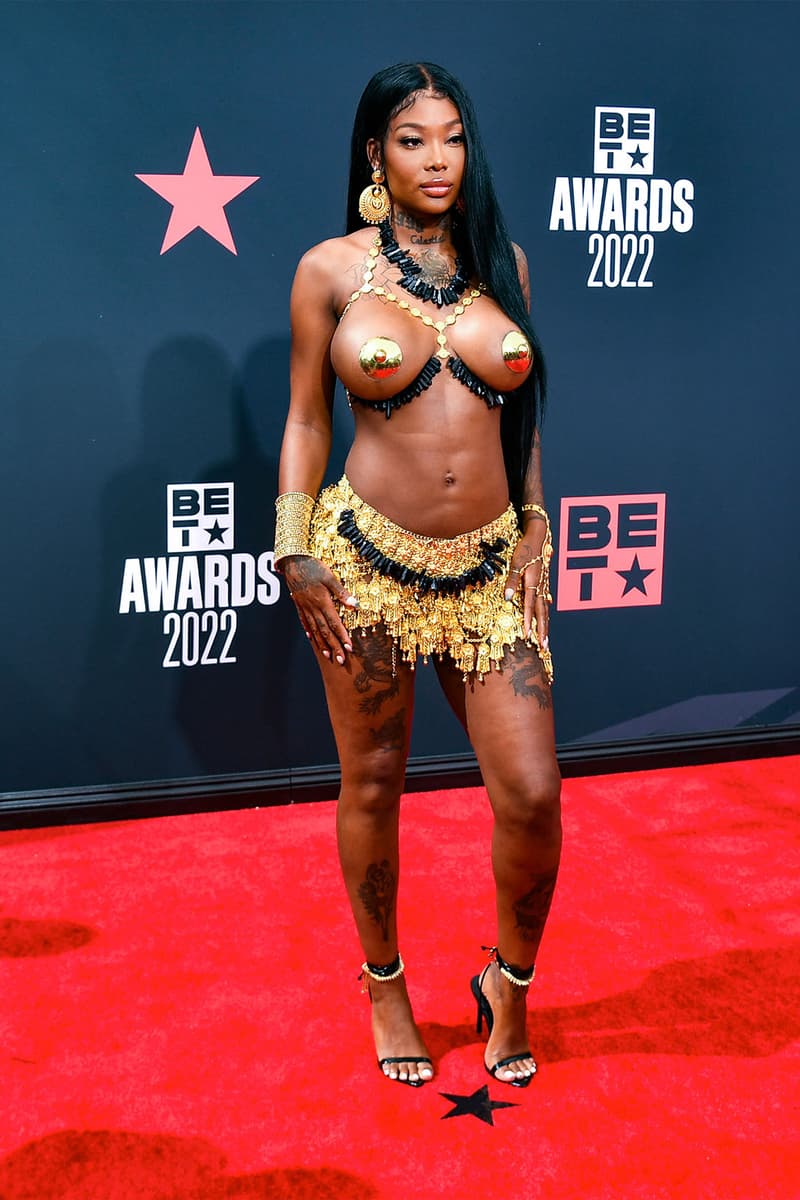
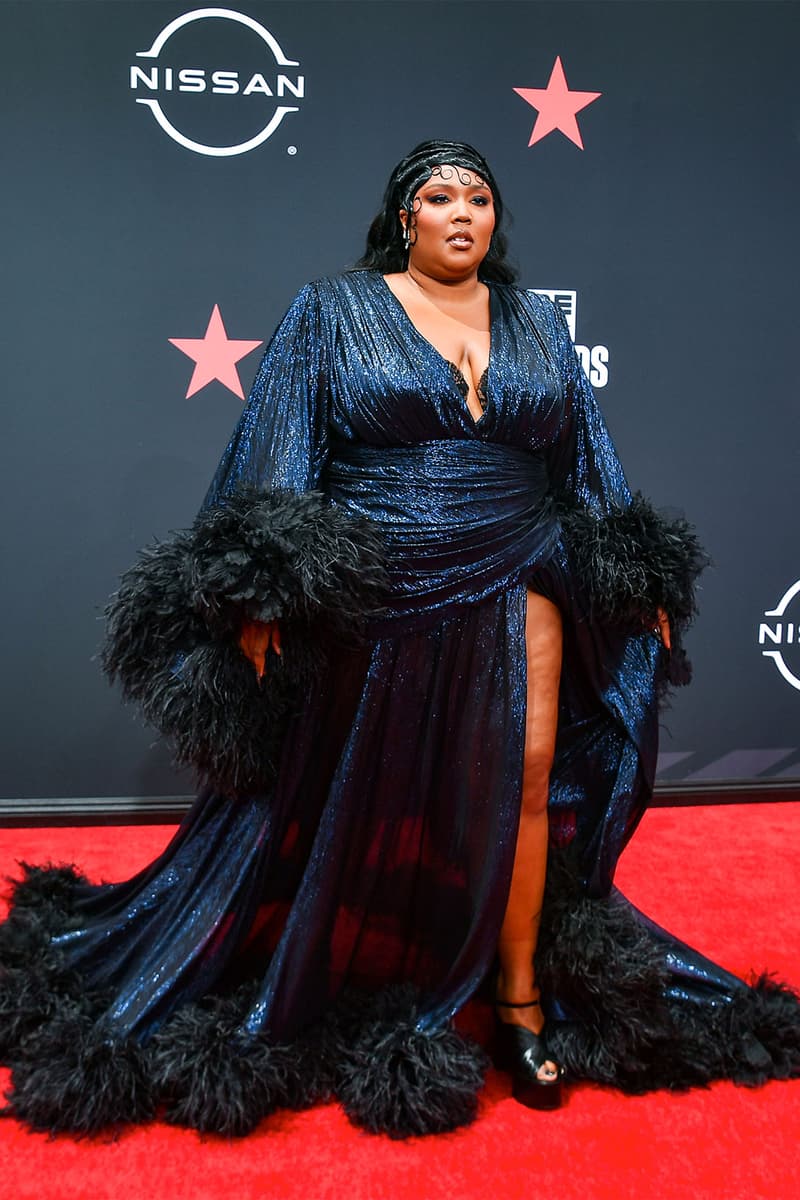
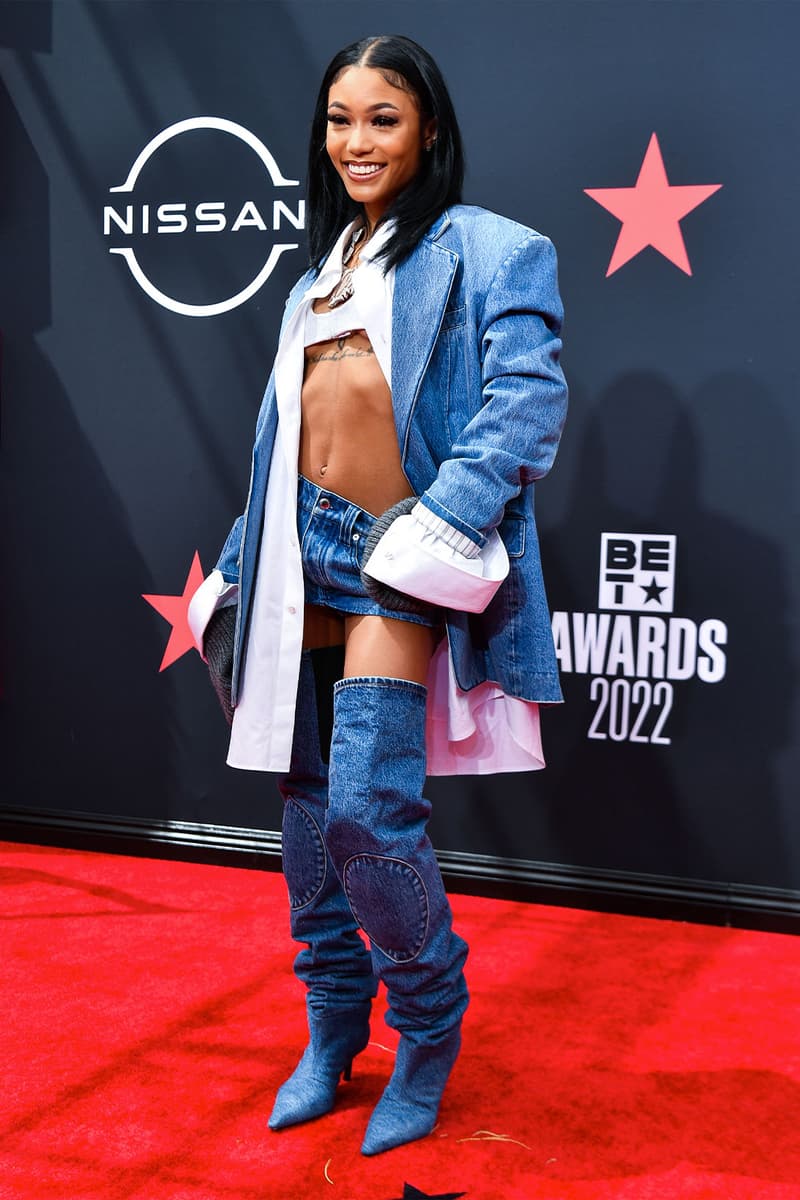
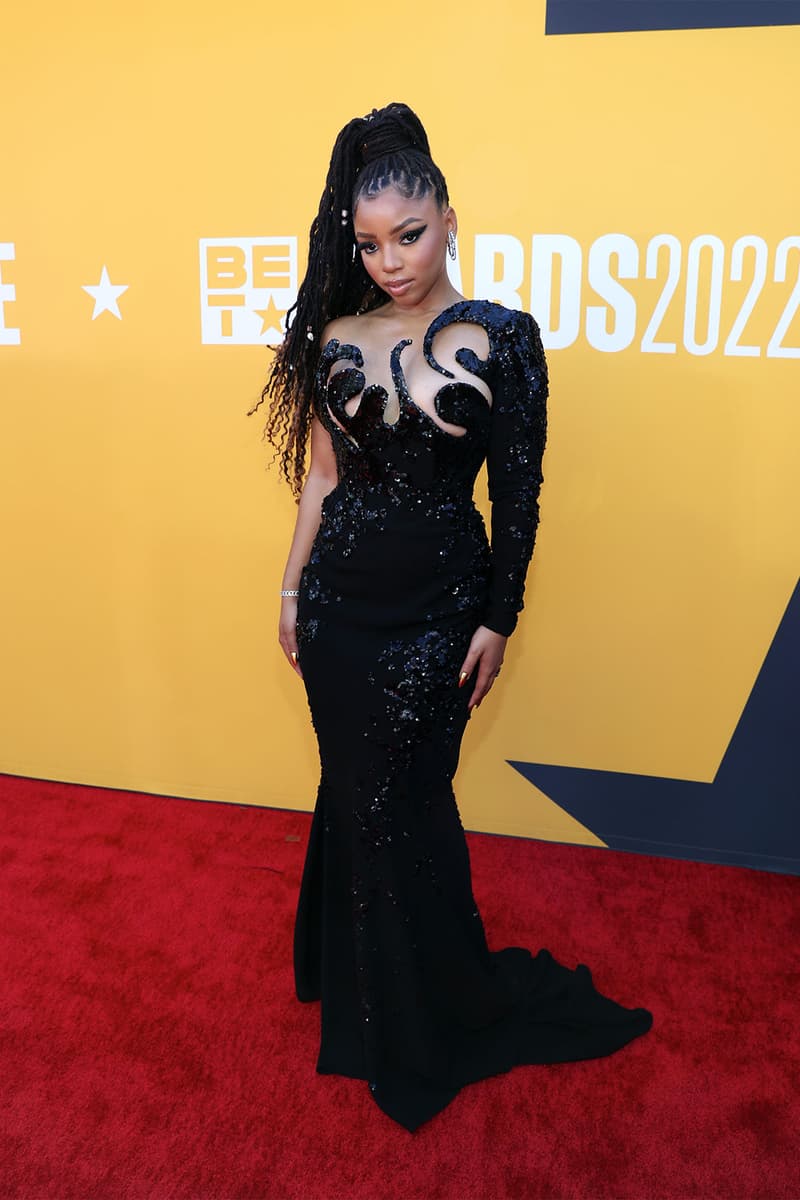
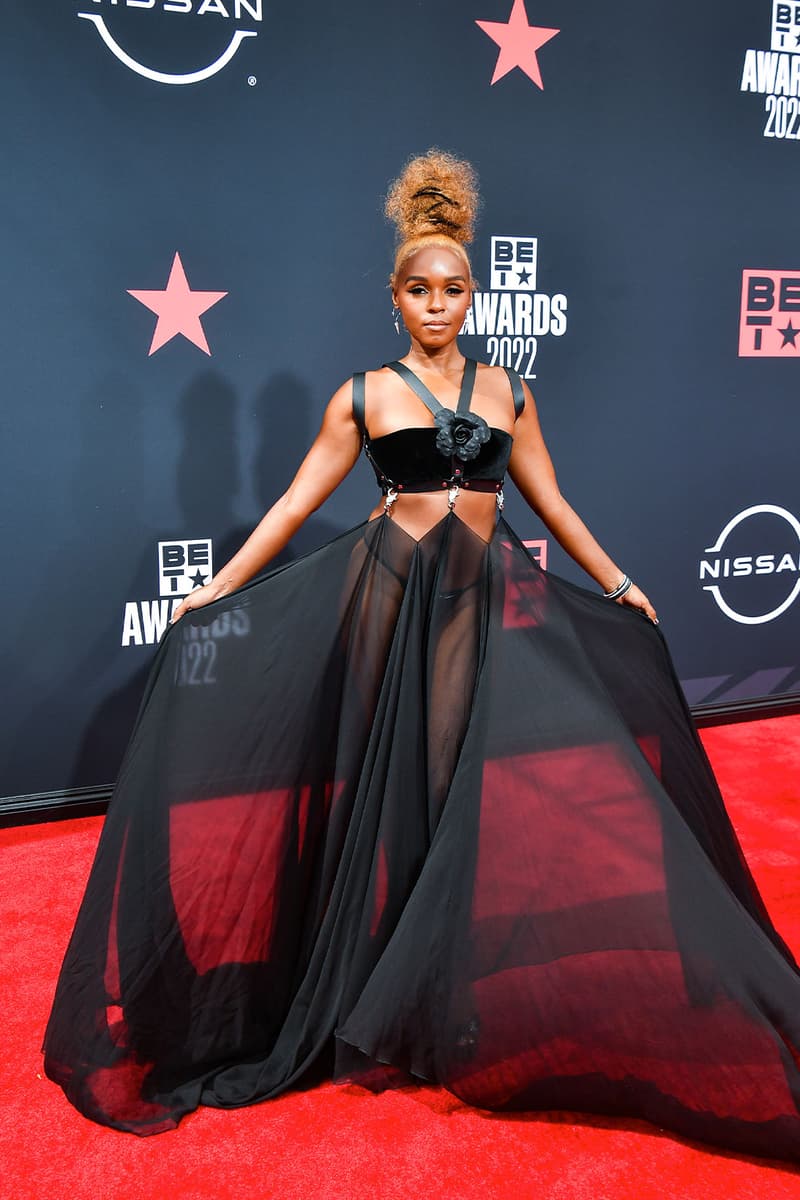
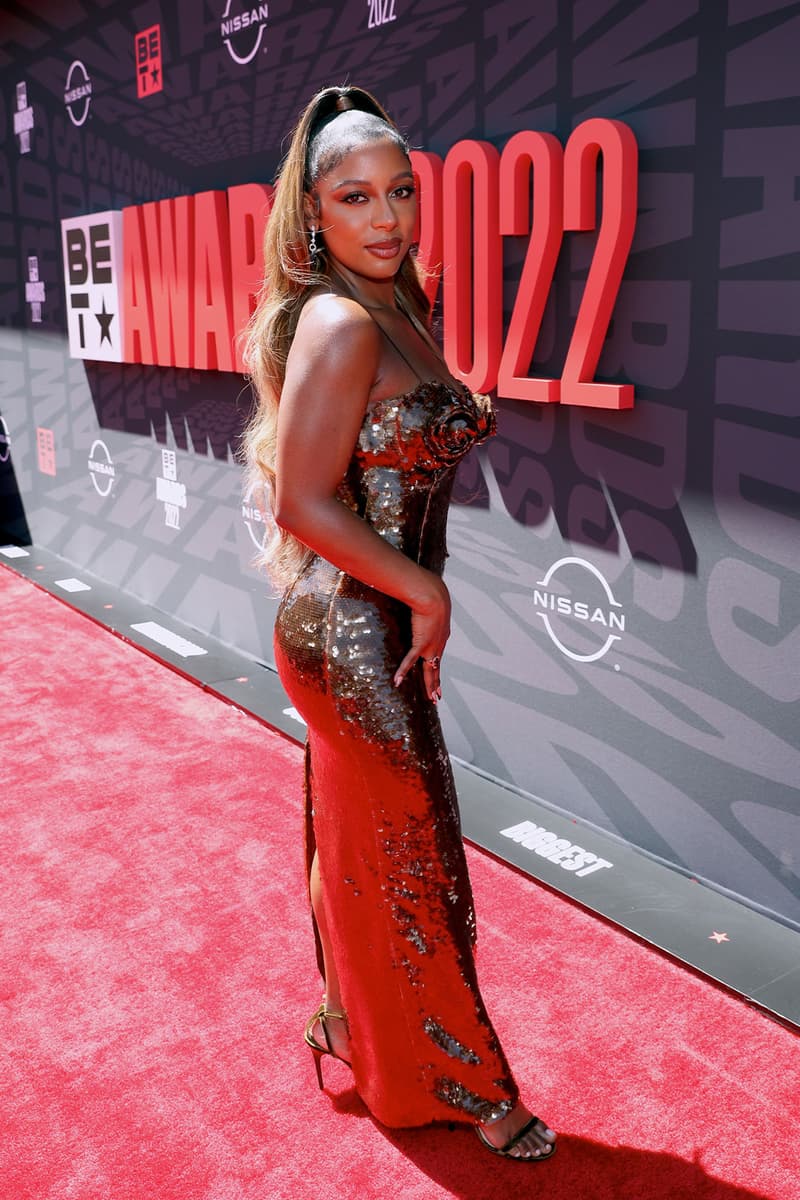
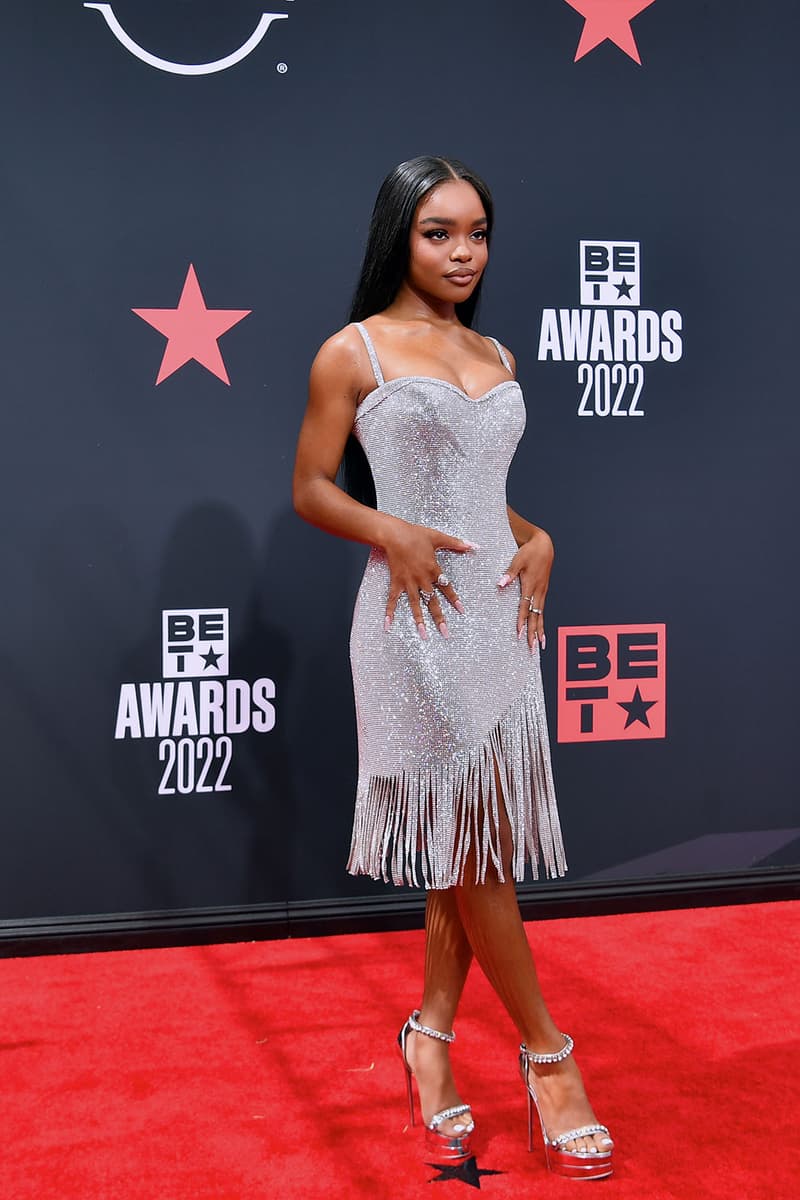 Stars arrived at the Microsoft Theater in Los Angeles for the 2022 BET Awards celebrating Black artists in film, television, music and more. Celebrities hit the red carpet in their best outfits accompanied by stunning glam ahead of the show hosted by Taraji P. Henson.
 For
For 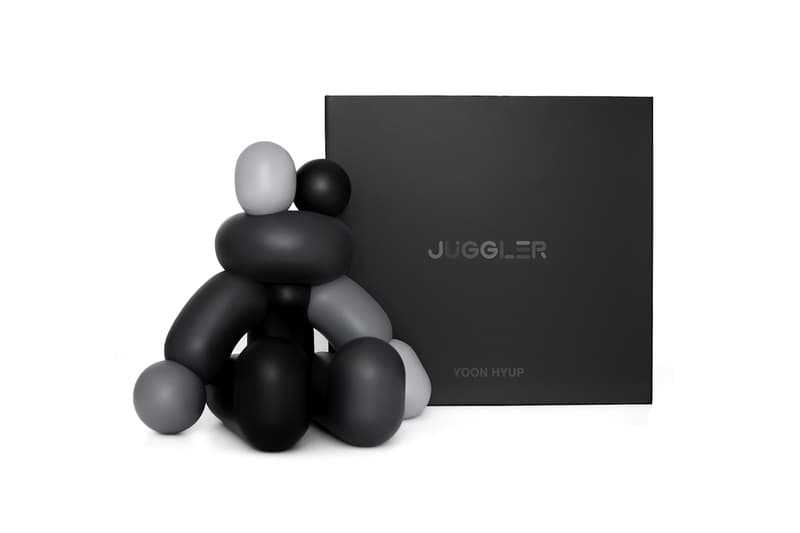 Early last year, New York-based artist